
Beeswax vs. Petroleum Jelly: Why Natural Moisture Matters
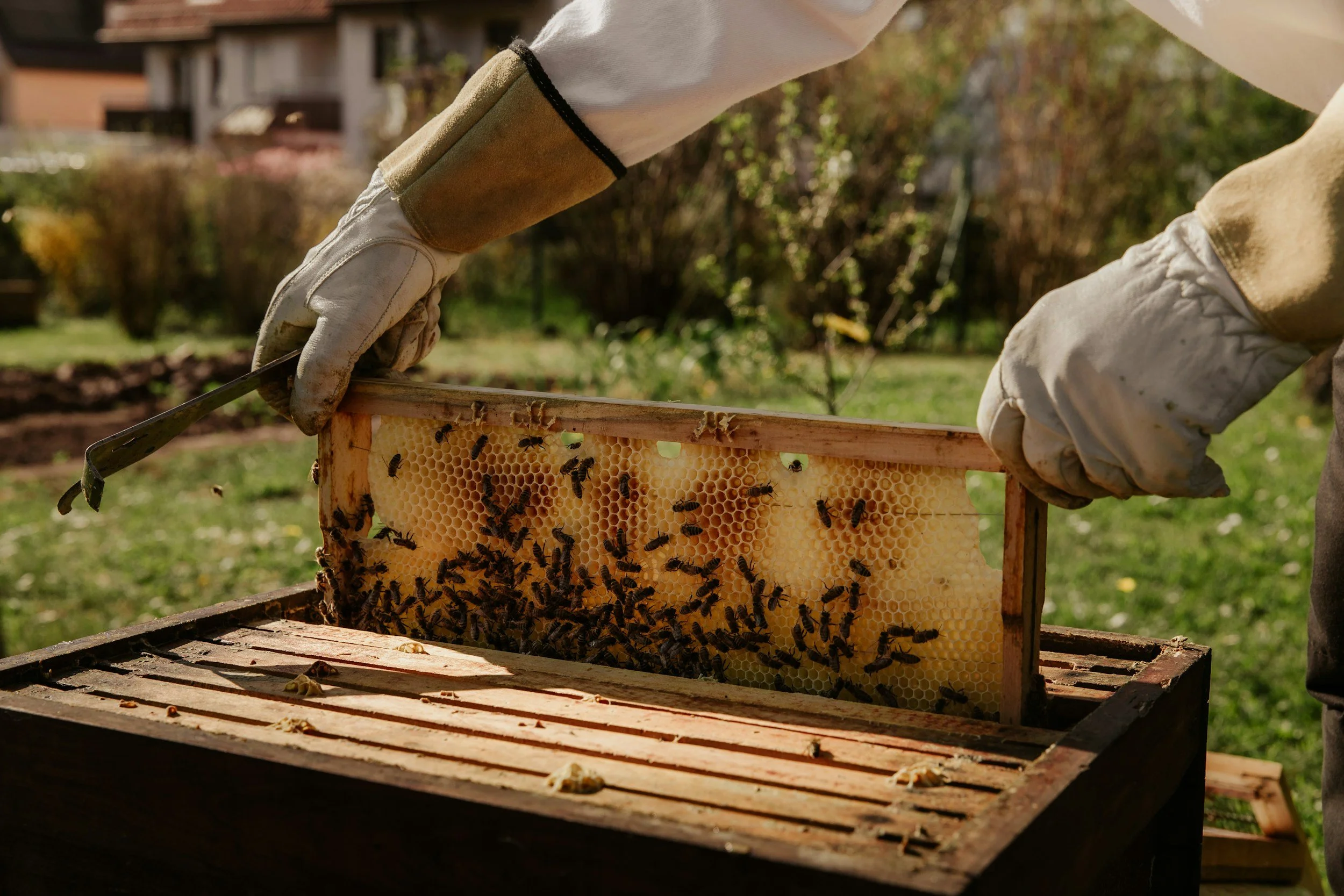
Dry hands, flaky lips, tight cheeks. When your skin’s barrier needs help, you want something that works fast and feels good. If you are comparing beeswax vs petroleum jelly, here is the short answer: both seal in moisture, but beeswax-based formulas create a more breathable moisture barrier with bonus skin-loving nutrients. Petrolatum, the base of Vaseline, is an excellent occlusive, yet it is nutrient free and fossil fuel derived. For a natural alternative to Vaseline, beeswax products are a great everyday pick, especially for sensitive, reactive, or sustainability-minded folks.
Petroleum Jelly vs Beeswax: What’s the Difference?
How petroleum jelly is made
Petroleum jelly, also called petrolatum, is a purified mix of hydrocarbons derived from petroleum. In the United States, white petrolatum is regulated as an over-the-counter skin protectant and is recognized as safe and effective when used as directed.
How beeswax is made
Beeswax is a natural wax secreted by honeybees to build the honeycomb. In skincare, it is valued as a film-forming moisturizer that helps support the skin barrier and pairs well with other bee ingredients such as honey and propolis.
Difference in how the two create a barrier
Petrolatum: a powerhouse occlusive that can reduce transepidermal water loss by a very high percentage, which makes it superb at sealing in hydration but offers no vitamins, antioxidants, or added nutrients.
Beeswax: a natural film former that protects while allowing the skin to function more comfortably. Many people describe it as a breathable barrier when used in balanced formulas with oils and humectants. It also brings trace antioxidants and pigments such as beta carotene.Inside the Hive: Roles That Keep a Colony Thriving
Beeswax vs. Petroleum Jelly Comparison
| Feature | Beeswax | Petroleum Jelly |
|---|---|---|
| Origin | Natural, renewable bee byproduct | Fossil fuel derived |
| Barrier type | Film forming, comfortable breathable feel | Max occlusive seal |
| Nutrients | Trace antioxidants, for example beta carotene | None |
| Non-comedogenic? | Generally low risk in balanced formulas | Considered non-comedogenic |
| Best for | Daily use, sensitive, normal, or dry skin | Spot treating severe dryness, cuts |
| Sustainability | Can support responsible beekeeping | Non-renewable petroleum source |
Why Beeswax Creates a Better “Breathable” Moisture Barrier
Allows skin to breathe
Beeswax forms a thin, flexible film that shields from irritants while letting skin feel like itself. This can be useful for hands, lips, and faces that need comfort without a heavy, greasy layer.
Locks in moisture without clogging pores
Well-formulated beeswax products moisturize and protect without a high risk of clogged pores for most skin types. For context, highly refined petrolatum is also considered non-comedogenic, which is why many people layer it at night, sometimes called slugging. The difference is the finish and skin feel. Beeswax balms often feel lighter and more flexible.
Natural antibacterial support (propolis)
Many beeswax-based formulas include propolis, a resin collected by bees. Propolis shows in vitro antibacterial activity against several bacteria, including Staphylococcus aureus. This is one reason bee-powered skincare is popular for chapped lips and rough patches.
Vitamin and antioxidant content
Beeswax contains trace components such as beta carotene and other antioxidants that can complement a moisturizing routine. Although the amounts are small, they are a nice addition when compared with petrolatum’s purely occlusive role.
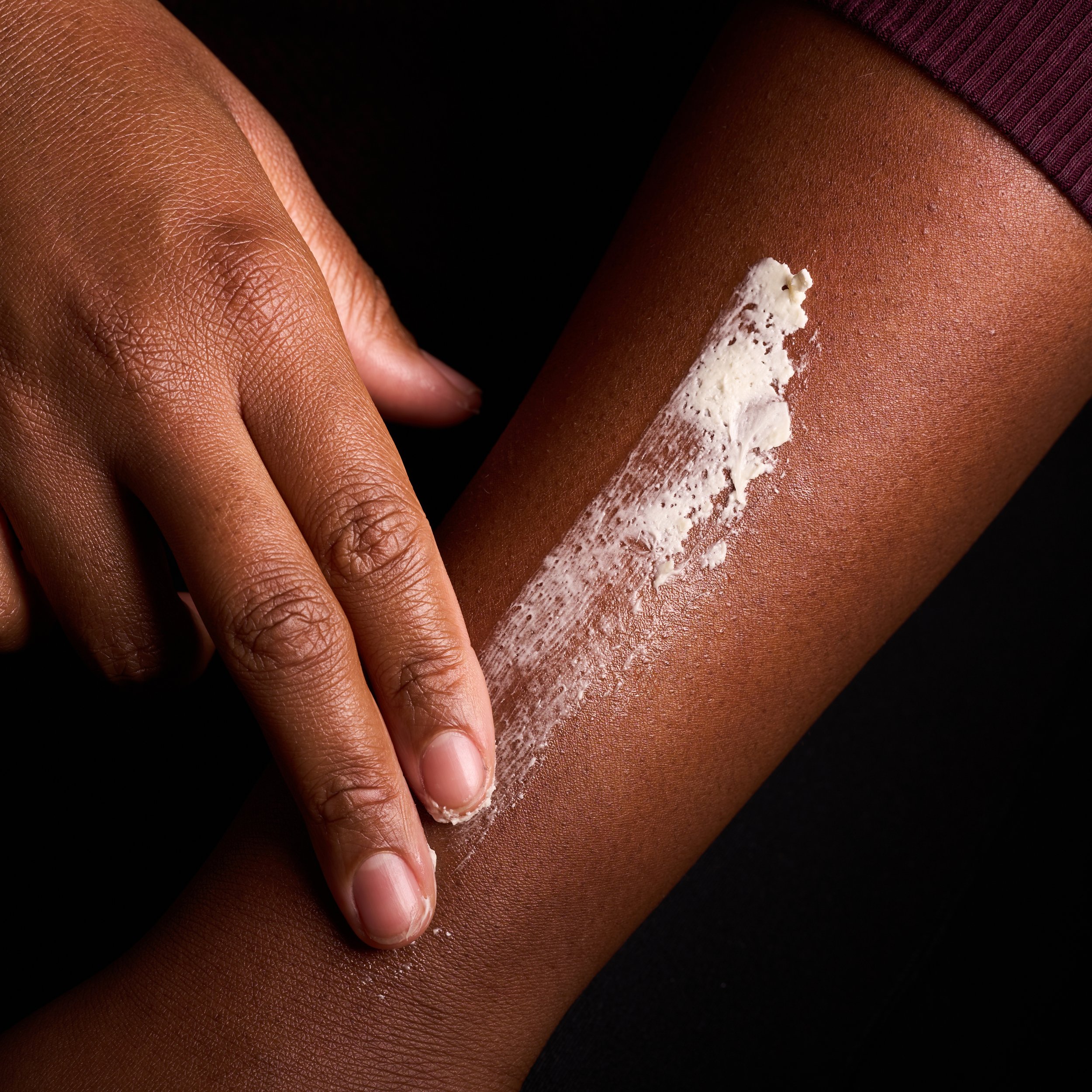
Petroleum Jelly: When It Helps and When It Doesn’t
Pros:
Outstanding occlusive that protects cracks, scrapes, and very dry spots.
Widely available and affordable.
Considered non-comedogenic when highly refined.
Cons:
No built-in nutrients or antioxidants.
Can feel non breathable for some users.
May trap residue if applied over uncleansed skin.
Fossil fuel origin, which some shoppers prefer to avoid.
What about safety? In the United States, petrolatum used in skincare is highly refined and falls under the FDA skin protectant category. If you like how it works, it is a valid tool. If you prefer sustainable skincare with simpler ingredient lists, beeswax-based products are strong alternatives for daily moisturizing.
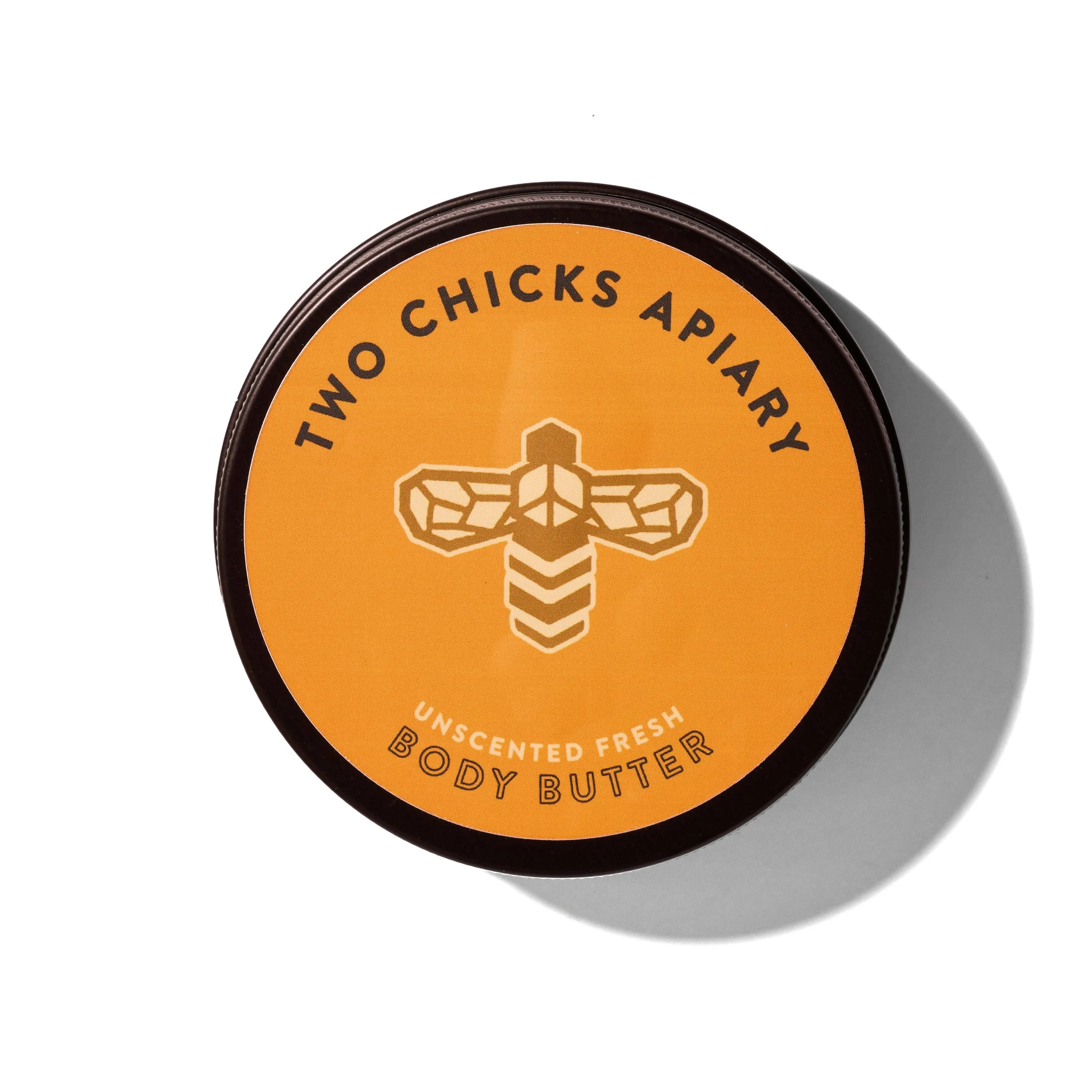
Deep, Whipped Moisture
Rich and creamy, this body butter is made to nourish, protect, and soften even the driest skin.
We blend our own beeswax, honey, pollen, and propolis with organic oils and shea butter for lasting hydration that locks in moisture and keeps skin smooth all day.
Perfect for rough spots like elbows, heels, and hands. A little goes a long way.
Ingredients: Shea butter, beeswax, honey, propolis and pollen
Why Natural Moisture Matters for Skin Health
Irritation reduction
Short, recognizable ingredient lists reduce guesswork and can help you avoid potential irritants or fragrances that your skin does not love.
Support for sensitive and reactive skin
Beeswax balms that blend wax, plant oils, and bee ingredients often soothe without the feeling of occlusion overload. If your skin is reactive, a lighter feeling occlusive can be easier to wear during the day.
Ingredient transparency
With beeswax formulas, it is easy to understand what each component does. The wax helps seal, oils soften, humectants such as honey attract moisture, and propolis adds supportive benefits.
Environmental impact
Beeswax is renewable when sourced from responsible beekeeping, and you are not relying on petroleum. Look for brands that support hive health and ethical sourcing.
Beeswax-Based Moisture from Two Chicks Apiary
Ready to try a natural alternative to Vaseline that still protects well? These bee-powered picks connect each benefit to an easy, everyday product:
Beeswax Lotion Bar: breathable barrier, purse friendly
Swipe and go comfort for hands, elbows, and heels. The beeswax film helps seal in moisture without a greasy afterfeel. Ideal after washing hands.
Shop
Face Moisturizer: beeswax, honey, and propolis, four times Bee Power
A daily moisturizer that pairs a light beeswax shield with honey’s humectant properties and propolis’ supportive benefits. Great for normal to dry or easily irritated skin.
Shop
BSE Healing Salve: cracked skin and irritation
For stubborn rough patches, cuticles, and minor scrapes. The richer beeswax base stays put while skin gets a calm, protected environment.
Shop
Lip Butter: help for chapped lips
Softens and seals without waxy build up. Honey and propolis make it a perfect pocket rescue.
Shop