
What Bees Teach Us About Working Together ( Why Pollinators Matter)
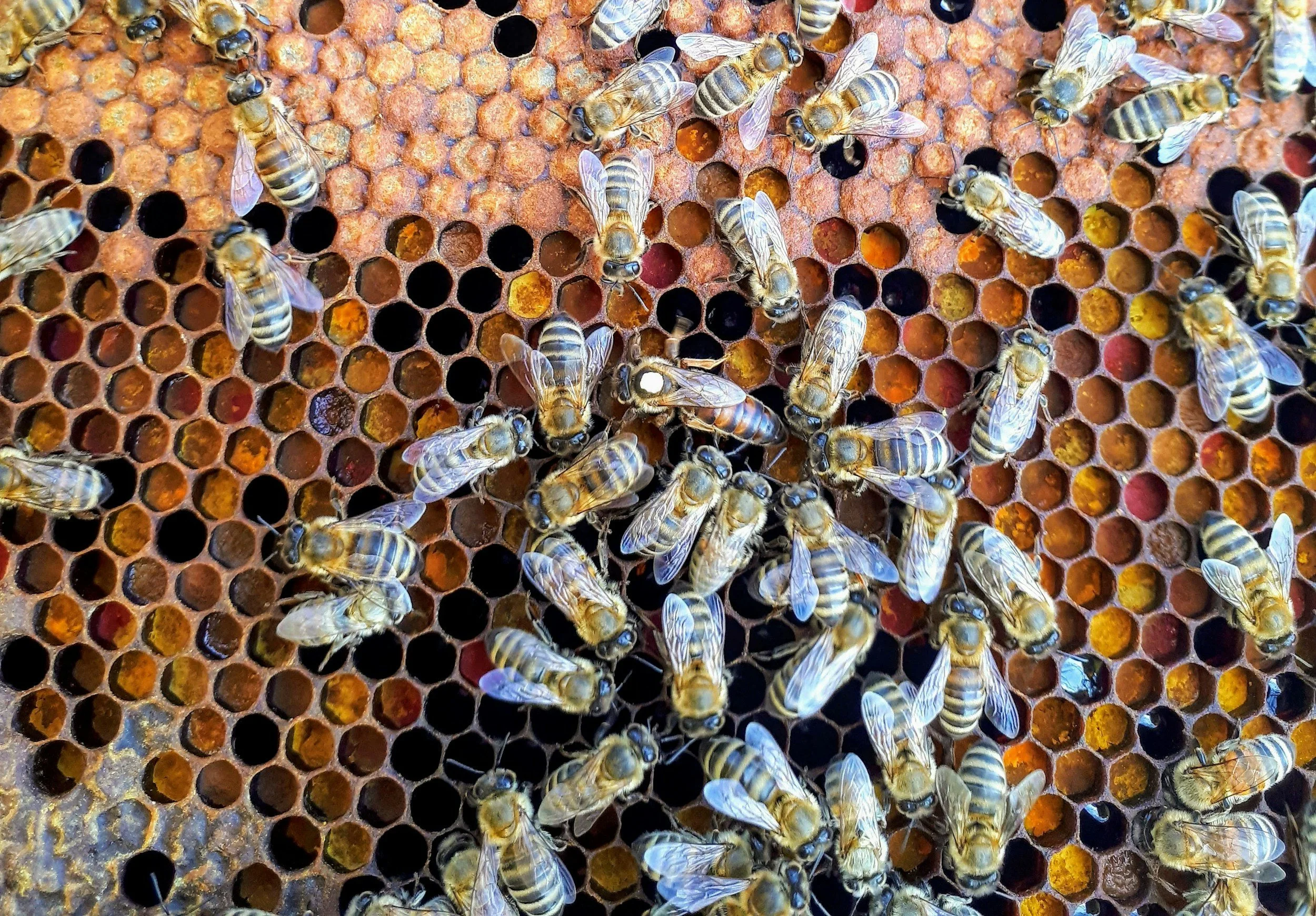
Bees thrive because they collaborate. Their success feeds into ours: pollinators help produce about a third of the foods we love, from apples to almonds. When we watch a hive, we see clear roles, constant communication, and everyone focused on a shared goal. In this post, we’ll break down why pollinators matter, how bee hive roles work, and the simple lessons we can use at home, at work, and here in Wisconsin. We’ll also share easy ways you can help protect bees, starting in your own backyard.
Why Bees Matter More Than Most People Think
Pollination impact
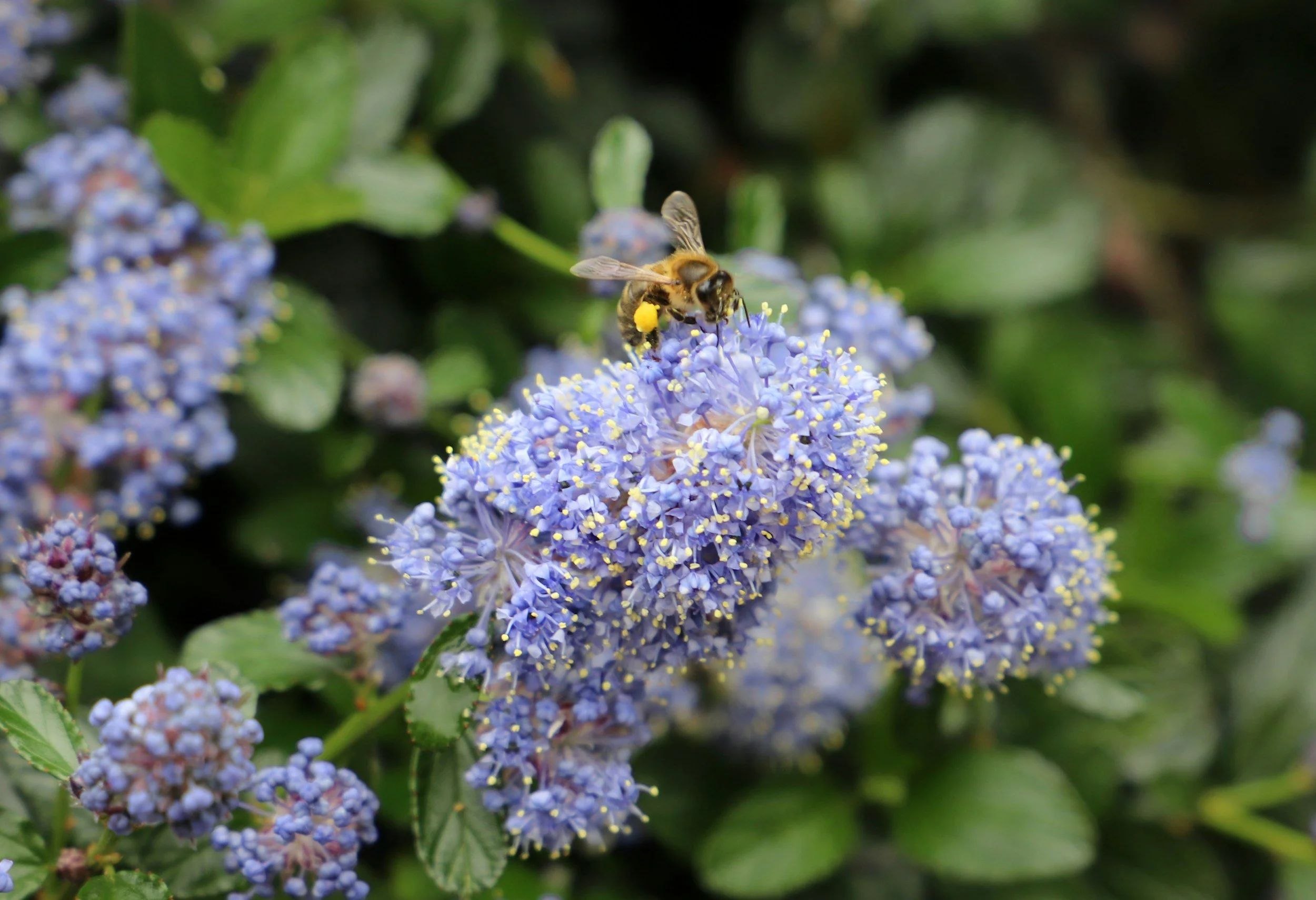
Pollinators move pollen so plants can make fruits, vegetables, nuts, and seeds. Without that transfer, yields drop and some crops don’t set at all. Globally, pollination supports hundreds of crops we count on every week.
Food system reliance
About 35% of the world’s food crops depend on animal pollinators. That’s the origin of the “one out of every three bites” shorthand you’ve probably heard. It captures how deeply our food system relies on healthy pollinator populations.
Environmental benefits
Bees and other pollinators also keep wild plant communities healthy, which supports birds, small mammals, and the insects that feed them. In short, when pollinators thrive, ecosystems are more resilient.
Quick statistics
3/4 of flowering plants rely on animal pollinators.
Global crops tied to pollinators are valued in the hundreds of billions of dollars annually.
In the U.S., 150+ food crops depend, at least in part, on pollinators. Natural Resources Conservation Service
Inside the Hive: Roles That Keep a Colony Thriving
Worker bees (foraging, building, cleaning)
Workers (all females) wear many hats across their lives: cleaning cells, tending the queen, building comb from wax, guarding the entrance, and finally foraging for nectar, pollen, water, and plant resins. The job shifts with age, and the colony always has the right mix of roles.
Nurse bees
Nurses are younger workers that feed developing larvae a balanced diet and keep the brood area at the right temperature and humidity. Their care determines the colony’s future strength.
The queen (she doesn’t rule the hive)
The queen’s job is simple and vital: lay eggs and broadcast pheromones that help organize colony behavior. She doesn’t “give orders” like a monarch; the hive self-organizes through cues, conditions, and communication.
Drones (purpose and lifecycle)
Drones are the male bees. Their main role is mating with queens from other colonies, which spreads genetics and strengthens bee populations. They don’t forage and don’t have stingers.
Communication (bee dances, pheromones)
Foragers perform the waggle dance to share direction and distance to good blooms. The angle signals where to fly relative to the sun; the duration signals how far. It’s a tiny GPS, powered by teamwork.
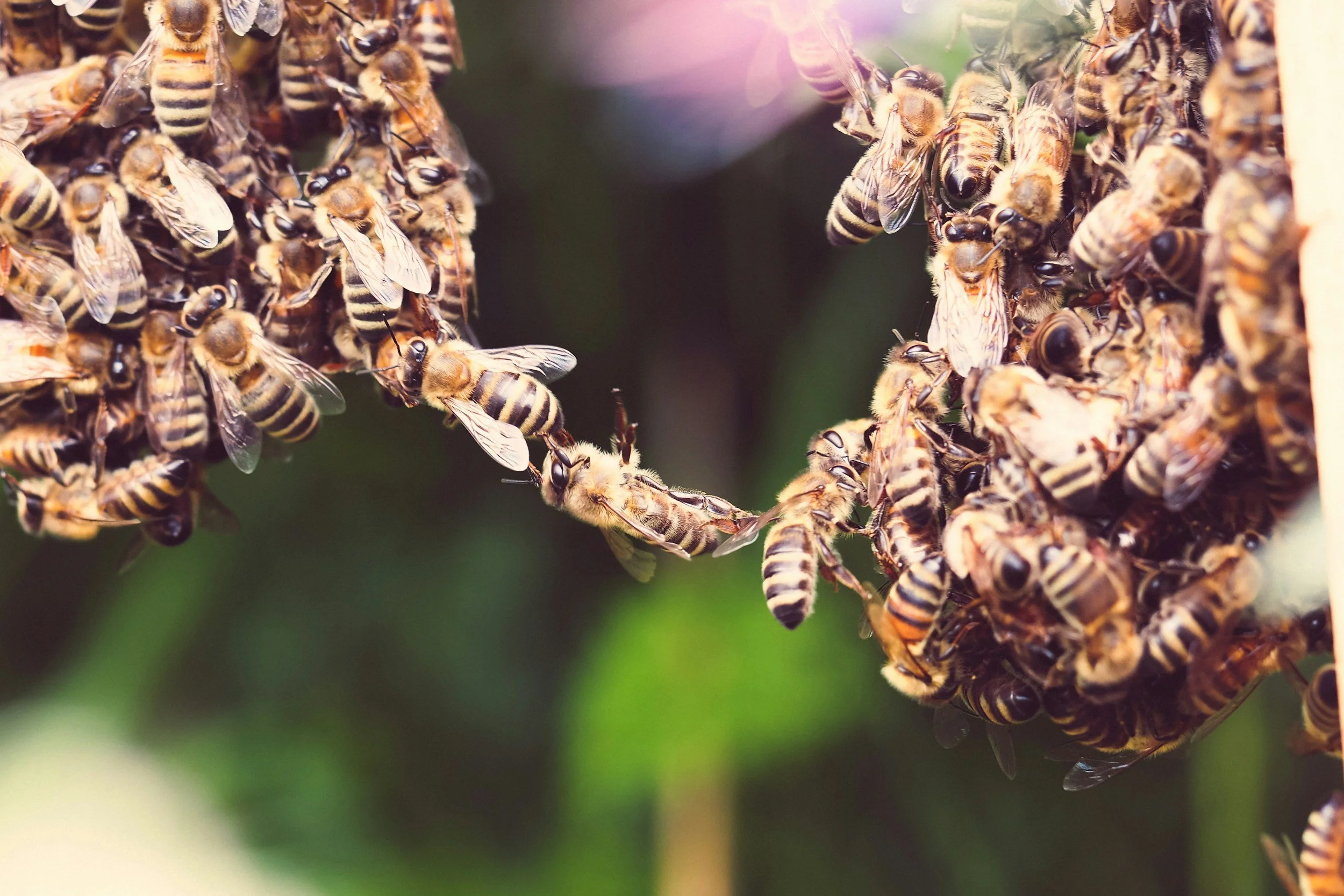
What Humans Can Learn From Bees
Division of labor
Bees show that clear roles reduce confusion and waste. At home or at work, define who does what and when. It keeps things humming.
Purpose-driven work
Every action supports the colony’s mission: find food, raise young, survive winter. When your family or team has a shared purpose, and you remind each other of it, small tasks feel meaningful.
Communication systems
Bees “talk” through dances and scents. We have meetings, group texts, and sticky notes. Pick a simple system, use it consistently, and make information easy to find.
Community Vs. individual
A hive thrives because members act for the group. In our lives, that looks like pitching in, sharing credit, and designing routines that help the whole household or team.
Adaptability + problem solving
When weather shifts or flowers fade, bees switch jobs and try new forage spots. Flexibility is a strength, especially during Wisconsin’s spring surprises and long winters.
Why Protecting Bees Protects Us
Climate resilience
Healthy pollinator communities make our food system more resilient to heat, drought, and late frosts. Diverse plantings support pollinators across seasons, which stabilizes yields and habitats.
Pollinator decline
Many pollinators face pressure from habitat loss, pesticides, pests, and climate shifts. The good news: local action—from backyards to school gardens—works.
Easy ways individuals can help in the Midwest
Plant for pollinators (spring–fall color): Choose Wisconsin natives like rough blazing star (Liatris aspera), aromatic aster (Symphyotrichum oblongifolium), and stiff goldenrod (Solidago rigida). Aim for early, mid, and late bloomers so bees always have a meal.
Skip or rethink pesticides: If you must use them, follow labels, avoid bloom times, and choose the least harmful option.
Leave a little “mess”: Bare soil patches help ground-nesting bees. Hollow stems and leaf litter can host beneficial insects over winter.
Add water: A shallow dish with pebbles gives bees a safe landing pad to drink.
Shop local: When you support local beekeepers, you support the habitats and practices that keep pollinators going. (More on how we do that below.)
Two Chicks Apiary’s Mission to Protect Pollinators
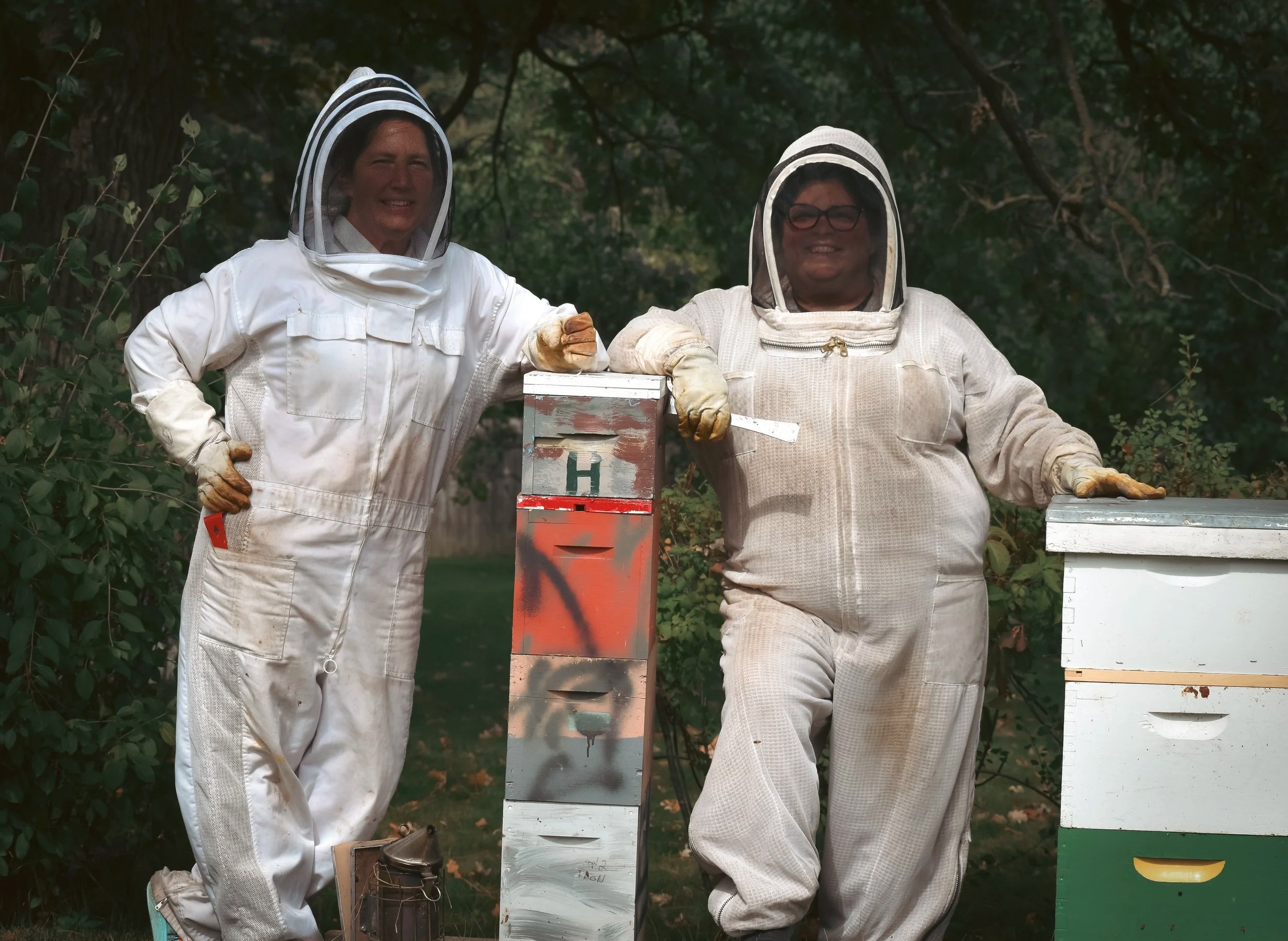
We started Two Chicks Apiary because we fell in love with the way bees work together and the way healthy hives lift up whole communities. Here’s how your purchase makes a difference:
Local beekeeping
We manage hives here in Wisconsin with practices that prioritize bee health, seasonal forage, and thoughtful hive care. Our work connects directly to bloom cycles in the Antigo and Green Bay area, so we see the impact every week.
Sustainable sourcing practices
From wax to honey, we source and craft with the same care we use in our apiary: small batches, seasonally aware, and with an eye on long-term hive strength.
Connection to our product line (bee-powered ingredients)
Our products are built around bee-powered ingredients, and every purchase helps us invest in habitat, education, and responsible beekeeping. Learn more About Us.
Support pollinators through products that give back
If you’re ready to help bees while treating yourself or someone you love, shop our collection today. Your purchase supports local hives, local habitat, and local education.