
The Truth About Honey: Why Raw Is Better (And How to Use It)
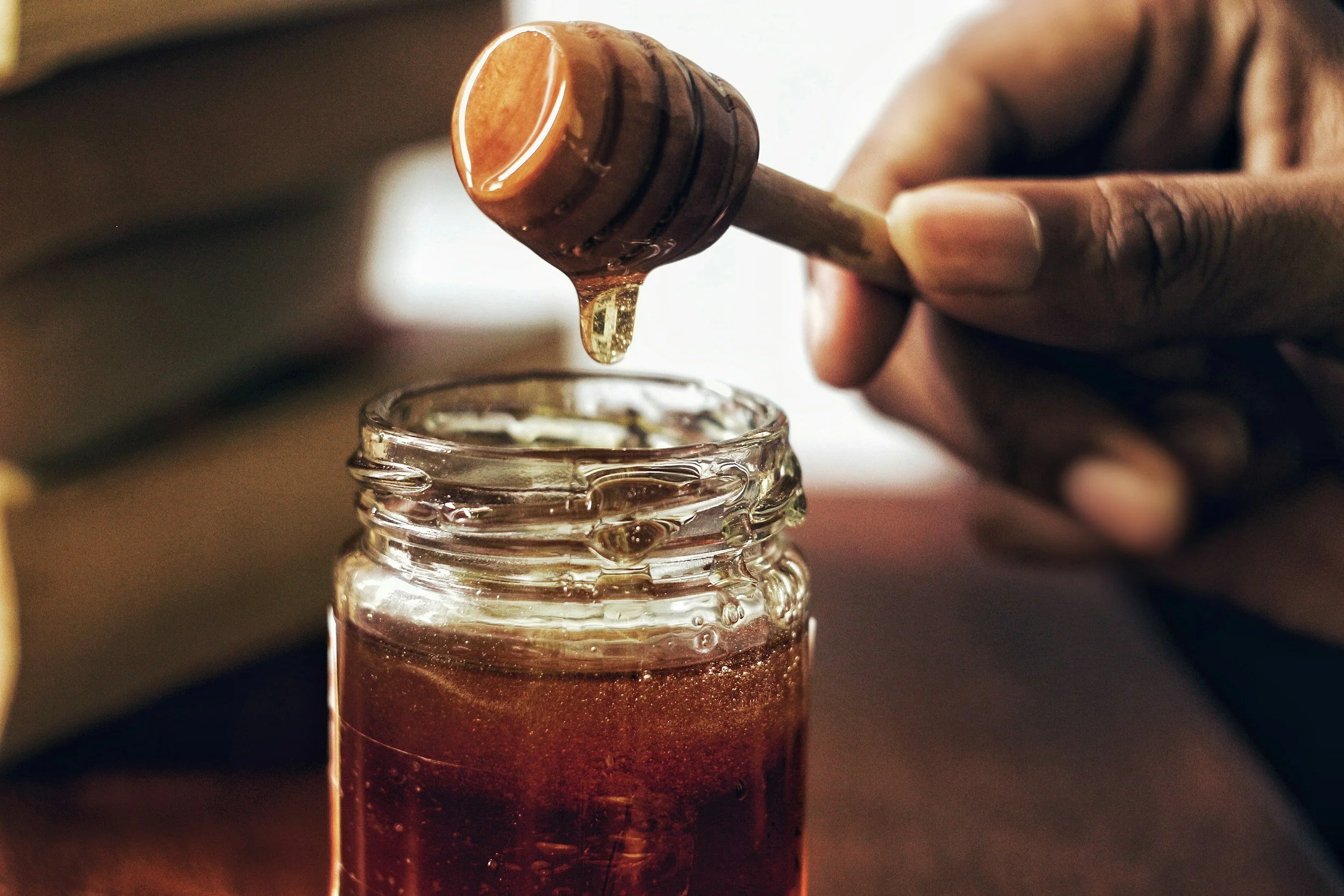
Quick take: Raw honey is the happy middle ground between delicious and better-for-you. Because it’s minimally processed, it keeps more of the good stuff including natural enzymes, antioxidants, and a touch of bee pollen than most regular honey. That can support antimicrobial activity and soothing benefits for coughs and sore throats. Still, honey is sugar, so enjoy in moderation and never give any honey to infants under 12 months.
What Makes Raw Honey ‘Raw’?
What is raw honey?
Raw honey comes straight from the hive, then gets lightly strained to remove bits of wax while keeping its natural character. Regular honey is often heated and ultra‑filtered to look perfectly clear and stay that way longer.
What does heat change?
High heat can reduce delicate enzymes (like invertase and diastase) and raise compounds tied to over‑processing. In plain English: gentle handling helps preserve natural goodness.
About pasteurization.
Honey doesn’t need pasteurization to be safe for healthy adults. But pasteurization also doesn’t make honey safe for babies. Skip all honey for children under one year due to infant botulism risk.
Raw vs Regular Honey: The Real Differences
Enzymes + antioxidants (nutrient retention)
Raw honey typically retains more native enzymes (including glucose oxidase) and antioxidant activity than honey that’s been heated and heavily filtered. That’s part of why raw honey has a reputation for being “closer to nature.”
Pollen content (why this matters)
Raw and unfiltered honeys usually include trace pollen. Pollen can help confirm where a honey came from and adds tiny amounts of nutrients. Ultra‑filtration removes pollen and some of the story behind your jar.
Flavor and texture (crystallization = good sign)
Crystallization is totally normal. Those tiny crystals form naturally over time, especially in raw honey rich in pollen and fine particles. It’s a sign of minimal processing, not spoilage. To re‑liquefy, set the jar in a warm (not boiling) water bath.
Why grocery‑store honey is often ultra‑filtered
Big brands aim for a uniform, crystal‑clear look that stays that way for months. To get it, they often use high heat and ultra‑fine filters that strip out pollen and can mute flavor. It looks neat, but you lose some raw character.
Raw Honey vs. "Regular" Honey Comparison
| Feature | Raw Honey | "Regular" Honey |
|---|---|---|
| Processing | Lightly strained; not pasteurized or ultra-filtered | Often heated and finely filtered |
| Enzymes & Antioxidants | Better preserved | Reduced by heat/filtration |
| Pollen & Propolis | Usually present | Often removed |
| Texture | May crystallize | Stays clearer longer |
| Flavor | Seasonal and floral | More uniform |
The Health Benefits of Raw Honey
Friendly note: This section is general education, not medical advice. If you have diabetes, allergies, or another condition, check with your clinician.
Natural antimicrobial support
Honey’s natural acidity plus enzymes like glucose oxidase help create an environment that’s unfriendly to many microbes. Translation: a little natural support built right in.
Digestive + throat soothing properties
A spoonful of honey in warm tea can be calming on the throat. For kids over one year, honey has been shown to help ease nighttime coughs compared with some common options. (Again, not for infants.)
Nutrient profile (trace minerals, pollen)
Think of raw honey as a flavorful sweetener with tiny amounts of minerals and plant compounds—not a multivitamin. The real win is choosing a sweetener that brings some extra character to the table.
Cleaner ingredient for cooking + skincare
Because raw honey keeps more of its natural enzymes and phytonutrients, it shines in low‑heat recipes, herbal infusions, and simple DIY skincare (like a quick face mask). Gentle heat keeps the good vibes intact.
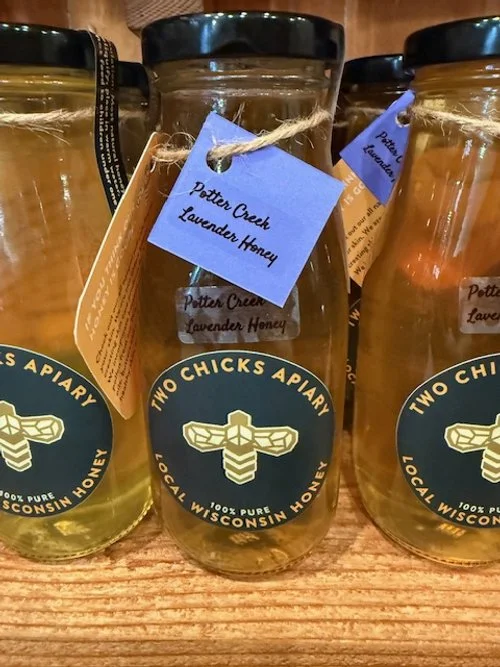
Our Raw Lavender Honey is sourced from regional lavender farms right here in Antigo, Wisconsin & Pulaski, Wisconsin.
Its sweet, floral flavor carries subtle fruity and woody undertones, making it perfect for tea, toast, or drizzling over desserts.
Every jar is raw and unfiltered just as the bees made it.
Shipping Honey: Shipping honey is expensive! We try to keep the cost down, but they are fragile and heavy compared to our self care products. We have a separate format for honey. Please let us know if this causes any confusion.
*Available in limited quantities.
How to Spot Good Raw Honey (So You Don’t Get Tricked)
Label language: Look for “raw” or “raw & unfiltered,” plus a floral or regional source when available.
Crystallization is a plus: Natural crystals point to minimal processing.
Go local when you can: Local jars are fresher, more traceable, and often more flavorful.
Expect color + flavor variety: Lighter honeys taste delicate; darker honeys are richer. Variations are part of the fun.
5 Unique Ways to Use Raw Honey at Home
1) For skin (DIY honey mask)
Spread 1–2 teaspoons of raw honey on clean, damp skin. Leave on 10–15 minutes, then rinse. Add a pinch of ground oats for extra softness. Patch‑test first.
2) For sore throats / immunity rituals
Stir 1 teaspoon into warm lemon‑ginger water or herbal tea. For kids over one year, a small spoonful before bed may help with cough. Never give honey to infants under 12 months.
3) As a clean sweetener for baking + teas
Use raw honey in no‑bake bars, vinaigrettes, and to finish sauces. If you’re baking, lower oven temp slightly and add honey later in the process to protect flavor.
4) For sleep support (honey + herbal tea)
A cozy cup before bed, think chamomile or lavender tea with a touch of honey, can be a relaxing wind‑down ritual.
5) Pairing honey flavors with foods
Wildflower: Drizzle on sharp cheddar or Greek yogurt.
Clover: Sweeten iced green tea or fruit salads.
Lavender‑infused: Finish shortbread, roasted peaches, or goat cheese crostini.
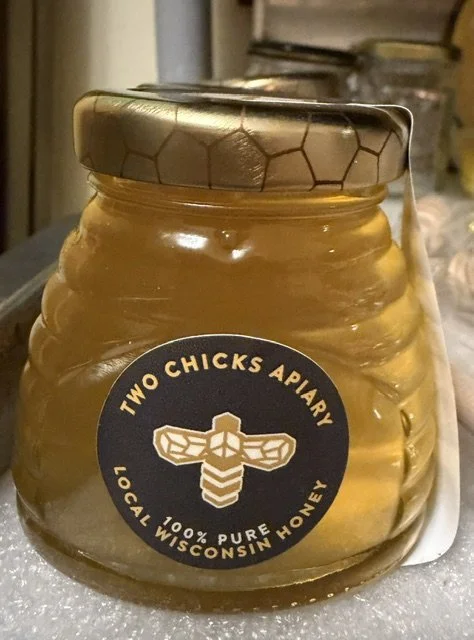
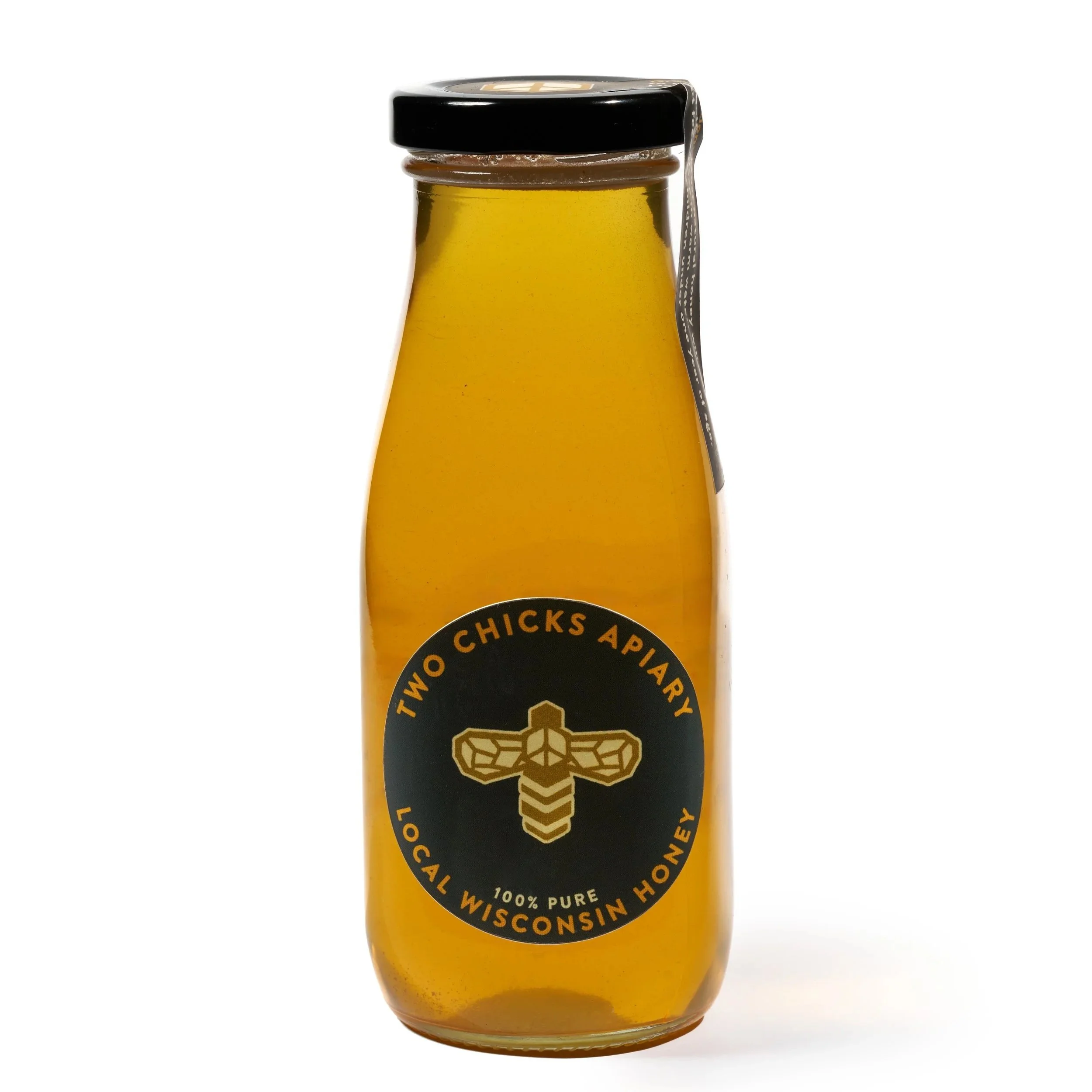
Our Raw Wildflower Honey is harvested directly from our Wisconsin hive, unfiltered, unpasteurized, and full of natural flavor.
Each batch reflects the wildflowers blooming around our bees, giving every jar its own unique taste and color.
Sweet, smooth, and endlessly versatile, it’s the perfect everyday honey for your kitchen (or your skincare routine).
Shipping Honey: Shipping honey is expensive! We try to keep the cost down, but they are fragile and heavy compared to self care products. We have a separate shipping format for honey, so please let us know if this causes any confusion.
Frequently Asked Questions
Is raw honey healthier than regular honey?
Raw honey is often a healthier choice because it is minimally processed and typically retains more natural enzymes (such as glucose oxidase), antioxidant activity, and trace pollen than honey that has been heated and ultra‑filtered; still, it is a sugar, so use it sparingly and never give honey to infants under 12 months.
Is crystallized honey safe to eat?
Crystallized honey is safe to eat because crystallization is a natural process where glucose forms tiny crystals, and you can enjoy it as is or gently re‑liquefy it by setting the sealed jar in warm water and stirring without boiling or microwaving.
Can kids have honey?
Children under 12 months should not have any honey due to the risk of infant botulism, while children 1 year and older can have small amounts as part of a balanced diet, especially if you brush their teeth afterward to protect enamel.
Does pasteurization make honey more nutritious?
Pasteurization does not make honey more nutritious because it is used mainly to improve clarity and slow crystallization, and heating can reduce enzyme activity while failing to remove the infant botulism risk.
How should I store raw honey?
You should store raw honey sealed at room temperature in a cool, dry cupboard away from sunlight and moisture, avoid refrigeration because it speeds crystallization, and always use a clean, dry spoon to prevent contamination so the honey maintains quality for years.
What should the label say on real raw honey?
A real raw honey label should say “raw” or “raw & unfiltered,” list a floral or regional source such as wildflower, clover, or Minnesota, and include an ingredient list that simply reads “honey,” with bonus signs like single‑origin or local sourcing and traceable harvest or lot information